About
About Me
My first classroom was a self-contained special education room in rural North Carolina, teaching K-5 students with severe and profound disabilities. Resources were thin, so I began experimenting with any technology I could access, from simple visuals to basic digital tools. When the right tool finally opened a new way for a student to communicate or participate, I saw how technology could redraw the boundaries of who gets to learn, lead, and be heard.
From there, my work moved into teacher preparation, STEM/STEAM curriculum design, and community-based participatory action research. I partnered with schools, museums, and nonprofits to create hands-on learning spaces, build free STEM/STEAM centers, and bring advanced tools like VR, AR, and AI into communities that rarely had access. Those projects deepened my commitment to using technology to expand opportunity, amplify youth and educator voice, and connect learning with real community needs.
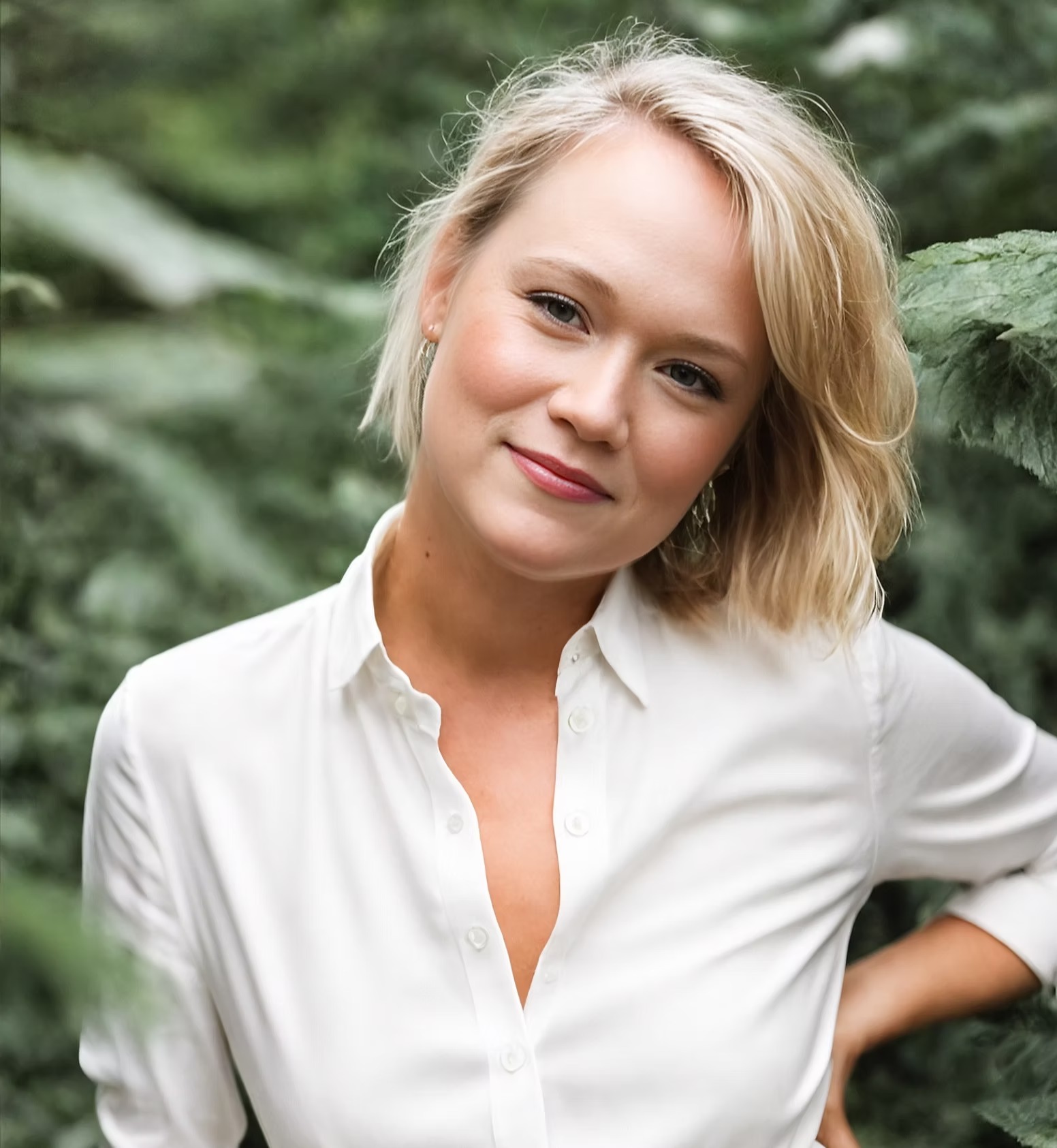
Today, I am an Assistant Teaching Professor at Arizona State University, where I teach on AI, local government and democracy, and public service. I serve on ASU’s AI Teaching and Learning Workgroup, lead an AI Community of Practice, and facilitate Principled AI sessions that support ethical, thoughtful adoption across the university. In the Mechanics of Democracy Lab, I co-lead AI and elections projects with officials across the country, building tools that strengthen public trust and transparent communication.
I also host the Thinking Through podcast, where I speak with educators, researchers, and leaders who are navigating the everyday realities of AI, emerging technologies, learning, and civic life.